Can You Whiten Dental Crowns? Facts You Should Know
@louisqvkf431
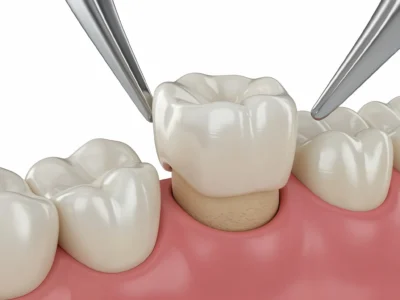

If you have ever looked in the mirror after whitening your teeth and noticed that one tooth still seems darker, flatter, or just different, there is a good chance a crown is involved. This is one of the most common cosmetic surprises patients run into. They expect their whole smile to brighten together, but natural enamel and restorative materials do not respond the same way.
The short answer is simple: dental crowns do not whiten with bleach. The longer answer is where things get useful, because there are a few reasons a crowned tooth may look darker, yellow, or mismatched, and the fix depends on which problem you are actually seeing.
That distinction matters. In practice, Dental Crowns people often say, “My crown is stained,” when the real issue is surface buildup, an aging ceramic glaze, recession around the gumline, or surrounding teeth that have changed color over time. Each of those calls for a different solution. If you guess wrong, you can spend money on whitening trays, strips, or polishing products and still end up frustrated.
Why dental crowns do not whiten like natural teeth
Teeth whiten because bleaching agents such as hydrogen peroxide or carbamide peroxide can move through the enamel and dentin and break apart stain compounds. Natural tooth structure is porous enough for that chemistry to work. A crown is different. It is made from materials like porcelain, ceramic, zirconia, or porcelain fused to metal, and those materials do not absorb bleach the way enamel does.
That is true whether the crown was placed last month or ten years ago. Professional whitening, over the counter strips, whitening toothpaste, whitening mouthwash, and whitening pens cannot change the internal color of the crown material itself. If the crown shade looked A2 on the day it was cemented, it will not become B1 because you used a stronger gel.
This is where many people get caught off guard. They remember the crown matching nicely when it was first made. A few years later, the natural teeth have picked up coffee, tea, red wine, tobacco, or just ordinary age-related yellowing. Now the crown stands out, not because it got darker, but because the neighboring teeth did.
The reverse can happen too. Someone whitens their natural teeth after getting a crown, and the crown suddenly looks too dark. The crown did not change. Everything around it did.
What can change the way a crown looks
Although crowns do not bleach, they can still appear discolored for several reasons. Some are easy to correct. Others are signs that the restoration may need professional attention.
Surface stain is one possibility. Highly polished porcelain and glazed ceramic resist stain fairly well, but they are not completely immune to deposits. Coffee, tea, tobacco, and pigmented foods can leave a film on the surface. The crown itself is not soaking up the stain like enamel, but the outer layer can look dull or dirty. In many cases, a professional cleaning and polish improves the appearance noticeably.
Another issue is roughness. Over time, a crown can lose some of its original surface smoothness, especially if it has been adjusted, if a person grinds their teeth, or if abrasive toothpaste has been used for years. Once the surface is rougher, it tends to collect more plaque and stain. That can make a crown look older or darker than it really is.
Sometimes the color mismatch is not on the crown at all. Gum recession can expose the margin, the line where the crown meets the tooth. If the crown is porcelain fused to metal, you may see a darker edge near the gumline. If decay has developed around the margin, the tooth can also appear shadowed or stained at the base. That is not a whitening issue. It is a restorative one.
Lighting plays tricks too. Front Dental Crowns teeth are especially unforgiving because they transmit and reflect light in complex ways. A crown may be the right shade but the wrong translucency, opacity, or texture. That makes it read as “off” even when the basic color is close. Patients usually describe this as, “It looks fake in some light.” They are often right. Shade is only part of the match.
The difference between stain and true color mismatch
This is one of the most practical distinctions to understand before deciding what to do next. A stained crown may still be structurally sound and cosmetically acceptable once it is cleaned. A mismatched crown, by contrast, usually needs replacement if the appearance really bothers you.
A stain problem often shows up gradually. The crown looks a bit dingy, especially near the gumline or in grooves. It may improve after a dental cleaning. A color mismatch tends to become obvious after whitening your natural teeth, after getting a newer crown on a nearby tooth, or after the old crown ages in a way that changes how it reflects light.
I have seen patients come in convinced that their crown “turned yellow.” In many cases, a simple before and after comparison tells the story. The crown looks almost the same as it did when it was seated, but the neighboring teeth have shifted enough that the contrast is now obvious. This is especially common with a single front crown, where even a small shade difference can stand out from conversational distance.
Can a dentist polish a crown to make it look whiter?
Sometimes, yes, though “whiter” is not the most accurate word. Polishing removes external buildup and can restore brightness and gloss. It does not change the underlying shade of the crown material.
This works best when the problem is stain or surface dullness. Hygienists and dentists can use instruments and polishing systems designed for porcelain and other restorative materials. Done properly, that can make an older crown look fresher and cleaner. Done improperly, especially with overly abrasive products, it can roughen the surface and make future staining worse.
That is why home experiments are risky. Whitening toothpastes often rely on abrasives to scrub stain from natural teeth. Used occasionally, they may not cause obvious damage, but long-term use on restorative surfaces can be a mixed bag. If your crown already has micro-scratches or worn glaze, more abrasion is not your friend.
Will whitening toothpaste help?
Whitening toothpaste can help remove superficial stains from natural teeth, but it will not bleach dental crowns. At best, it may clean away a little surface film. At worst, frequent use of a highly abrasive formula can dull polished ceramic surfaces and create a crown that picks up stain more easily later on.
This is one of those cases where product marketing gets ahead of reality. “Whitening” on the label does not mean “safe and effective for all dental materials.” If you have visible crowns, veneers, bonding, or tooth-colored fillings, it is worth asking your dentist which toothpaste is appropriate. A low-abrasion paste often makes more sense than a harsh whitening formula.
Professional whitening and crowns, what actually happens
Professional whitening is still useful if you have crowns, but you need to go into it with realistic expectations. The whitening gel will only affect your natural teeth. That means the success of treatment depends on where your crowns are, how many you have, and how much color change you want.
If the crown is on a back tooth, this may not matter much. A modest mismatch in the molar area is often invisible. If the crown is on a front tooth, especially one of the upper central incisors, even a small color difference can become annoying.
Many dentists plan cosmetic work around this. If a patient knows they want brighter teeth and they also need a visible crown replaced, the usual sequence is to whiten the natural teeth first, wait for the color to stabilize, and then make the new crown to match the lighter shade. That approach avoids the common problem of getting a crown that matches your old tooth color and then deciding a few months later that you want to whiten everything.
Timing matters too. Teeth can dehydrate temporarily during or right after whitening, which makes them appear whiter for a short period. Dentists often wait a week or two, sometimes a bit longer depending on the case, before final shade matching for a crown. That gives the natural teeth time to settle into a more stable color.
When replacement is the only real option
If the crown’s actual shade no longer suits your smile, replacement is usually the only predictable way to change it. That sounds like a big step, and it is, but sometimes it is the cleanest answer.
This is especially true for front teeth. A well-made modern ceramic crown can match neighboring teeth very closely, not just in color but in translucency, texture, and how it handles light. If an older crown looks flat, opaque, gray at the edges, or obviously darker than the adjacent teeth, replacing it may do far more than another round of whitening products ever could.
Replacement can also make sense when cosmetic concerns overlap with functional ones. Crowns do not last forever. Depending on the material, the bite, oral hygiene, and the condition of the underlying tooth, many crowns perform well for roughly 10 to 15 years, sometimes much longer. But margins can wear, cement can fail, decay can form at the edge, and the surrounding gum tissue can change. If a crown is already nearing the end of its service life, trying to stretch it cosmetically may not be the best investment.
Signs the issue may be more than cosmetic
A crown that looks discolored is not always just a beauty problem. There are moments when the appearance is your first warning sign that something underneath needs care.
- A dark line or shadow near the gumline that was not there before
- Sensitivity, pressure, or pain when biting
- A crown that feels loose, catches floss, or traps food
- Red, swollen gums around that tooth
- A visible chip, crack, or rough edge on the crown
Any of these can point to margin leakage, decay, gum inflammation, or damage to the restoration. Whitening products will not solve those problems, and delaying an exam can turn a small repair into a larger one.
What about different crown materials?
Material affects how a crown looks over time, though not whether it can be whitened. None of the common crown materials bleach like natural teeth. Still, they age differently.
Porcelain and layered ceramics can be very lifelike, especially on front teeth, because they mimic natural translucency well. They also tend to resist deep discoloration, but surface changes can make them appear duller if the glaze wears down.
Zirconia is strong and popular, especially for back teeth and increasingly for front teeth too. It is resistant and durable, but its optical qualities vary depending on the type used. Some zirconia crowns look beautifully natural. Others can seem slightly more opaque than enamel, which becomes more noticeable when neighboring teeth brighten after whitening.
Porcelain fused to metal crowns were extremely common for years and are still in use. They can function well, but the metal substructure sometimes creates a darker look near the gumline, especially if gum recession develops. Patients often interpret this as staining when it is really the design of the restoration becoming more visible over time.
Resin-based provisional crowns and some older composite restorations can pick up stain more readily than high-quality ceramics. These may improve a bit with polishing, but they also tend to show age sooner.
If you want a whiter smile and already have crowns
The best plan depends on whether your priority is whitening your natural teeth, improving a specific crown, or both. What usually works is coordinated sequencing rather than trying random products one by one.
A sensible approach often looks like this:
- Have your teeth and crowns examined first, especially if the color issue is new
- Get a professional cleaning to remove stain and plaque before judging the true shade
- Whiten the natural teeth only if the existing crowns will still look acceptable afterward
- Replace visible mismatched crowns after whitening, not before
- Ask for shade matching in natural light if a front crown is being remade
That last point sounds small, but it matters. The operatory light can flatten color and make a borderline match seem better than it is. For a front tooth crown, even experienced dentists and labs often take extra care with photos, custom shade mapping, and lighting conditions because tiny differences show up quickly in everyday life.
Common mistakes people make at home
Most bad outcomes here come from assuming all “white teeth” products behave the same way on every surface in the mouth. They do not. Natural enamel, bonding, fillings, veneers, and Dental Crowns all respond differently.
One frequent mistake is using whitening strips over crowned front teeth and expecting an even result. Another is switching to an abrasive toothpaste and brushing harder because the crown looks dull. A third is using internet advice meant for removable dentures or temporary materials on permanent restorations. These habits can waste time and, in some cases, make the surface finish worse.
There is also the temptation to chase perfection after whitening. Once your natural teeth get brighter, restorations that were acceptable before can suddenly grab your attention. That does not automatically mean something is wrong. It may simply mean your eye now notices contrast more easily. Whether to replace a crown at that point is a personal decision, usually based on where the tooth sits in the smile line and how particular you are about esthetics.
The front tooth crown problem
Single front crowns deserve their own section because they cause the most frustration. Matching one central incisor is among the hardest cosmetic jobs in dentistry. Natural teeth are not a flat paint color. They have subtle gradations, translucency at the edge, little texture changes, and internal light effects that vary from person to person.
If you have one front crown and want a significantly whiter smile, expect planning to matter. Sometimes the dentist can remake that one crown beautifully after whitening. In other cases, particularly if both front teeth differ in shape or color, the discussion may expand to include additional cosmetic work for balance. That does not mean more treatment is always necessary. It means one isolated crown in the middle of the smile can be unforgiving.
I have seen cases where a crown matched perfectly at a normal speaking distance but looked slightly dark in photos with flash. I have also seen the opposite, where it photographed well but looked opaque outdoors. Those are not signs of bad dentistry every time. They reflect how demanding front-tooth optics can be. Patients do best when they understand that “white” is only part of a believable match.
How dentists decide whether to clean, polish, or replace
This is usually a clinical judgment call based on four things: the structural condition of the crown, the source of the discoloration, the position of the tooth, and the patient’s cosmetic expectations.
If the crown is healthy, sealed, and only has superficial stain or roughness, a professional cleaning and polish is the conservative first move. If the crown is functional but clearly mismatched after whitening, replacement may be the only way to meet the esthetic goal. If there is decay, a leaking margin, or fracture, then the decision shifts from cosmetic to necessary treatment.
Expect your dentist to look at the crown under bright light, evaluate the gumline, check the bite, and compare it with neighboring teeth both wet and dry. Dry teeth can show color differences more strongly, which helps reveal subtle mismatches. Photos are often useful too, because patients notice things in pictures that they do not always see live.
Questions worth asking at your appointment
A short, direct conversation can save a lot of guessing. Ask whether the crown is actually discolored or whether the surrounding teeth have changed. Ask if a polishing visit is likely to help. Ask whether the margin is healthy and whether there are signs of wear or decay. If replacement is being discussed, ask what shade changes are realistic and whether whitening should happen first.
That last question is a big one. If you are considering both whitening and a new crown, getting the order wrong can lock you into a mismatch.
Living with crowns and keeping the color stable
You cannot whiten Dental Crowns, but you can keep them looking better longer. The best protection is not complicated. Good daily hygiene limits plaque and stain buildup. Regular cleanings help maintain gloss and detect margin problems early. If you drink coffee, tea, or red wine frequently, rinsing with water afterward helps somewhat. If you grind your teeth, a night guard may protect the surface from wear.
More than anything, it helps to think of crowns as color-stable restorations placed into a mouth where everything else keeps changing. Natural teeth age. Gums recede. Habits leave marks. Light hits different materials in different ways. Once you understand that, the question becomes less “Can I whiten this crown?” and more “What exactly is making this tooth look different now?”
That is the question that leads to a useful answer. Sometimes it is a cleaning. Sometimes it is whitening the surrounding teeth. Sometimes it is a new crown. What almost never works is hoping bleach will alter a material that was never designed to respond to it.
Simple Dental Vermont
Address: 8914 S Vermont Ave, Los Angeles, CA 90044
Phone number: +13239493000
FAQ About Dental Crowns
How much do crowns cost per tooth?
In the United States, a single dental crown typically costs between $800 and $2,500 per tooth without insurance. The ultimate out-of-pocket price depends heavily on the crown material, the location of the tooth, and whether you have dental insurance coverage.
What is the downside of crowns on teeth?
The primary downside of a dental crown is that the procedure permanently removes natural tooth enamel to shape the tooth for the cap.
Why do dentists push for crowns?
Dentists recommend crowns because a large filling cannot provide enough strength when a tooth loses a major portion of its structure or faces heavy chewing pressure.